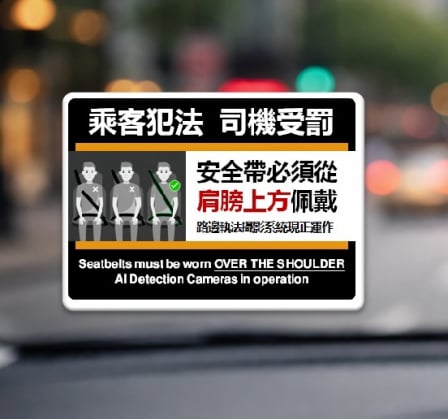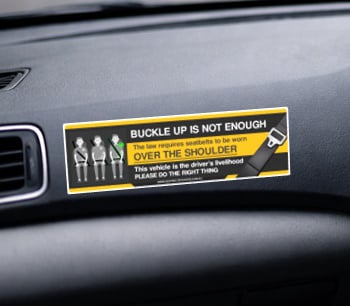
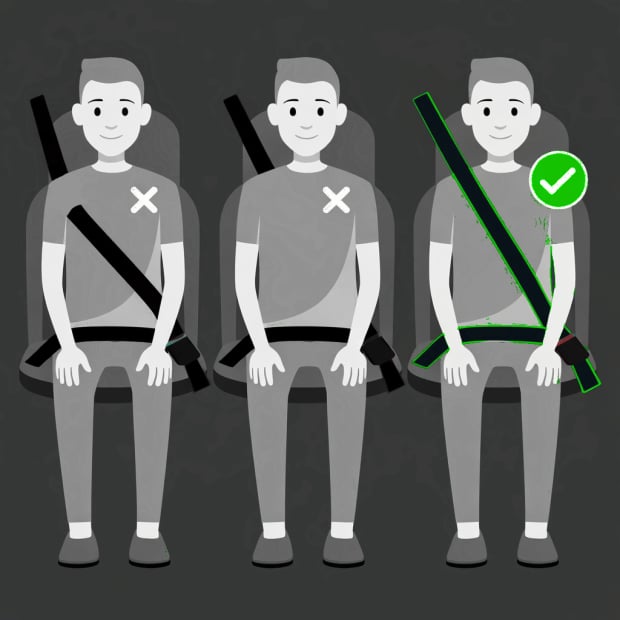
According to Victorian road rules, seatbelts must:
* be worn properly
* sit over the shoulder
* be positioned correctly at all times
In Victoria, seatbelt laws are set out in the Road Safety Road Rules 2017 (VIC) and enforced under the Road Safety Act 1986 (VIC). All occupants must wear seatbelts correctly, including proper positioning across the shoulder. The driver is responsible for passengers, especially minors.
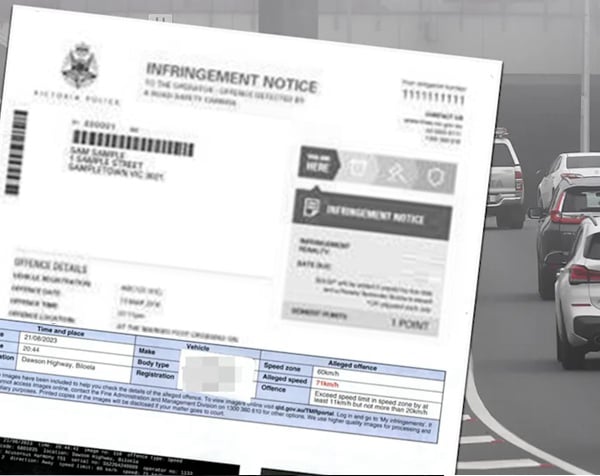
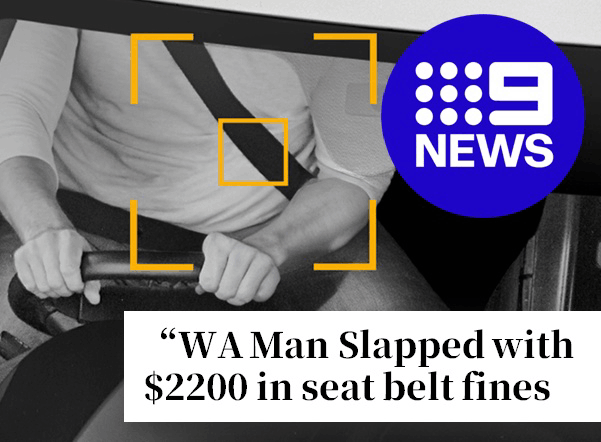
The penalty is at time of writing $407 and 3 demerit points. Additional penalties may apply where multiple passengers are not wearing seatbelts correctly, increasing overall exposure. While Victoria does not use traditional double demerit periods, enforcement is strict and includes camera-based detection systems.
Losing your licence doesn’t just mean you can’t drive. It changes your daily routine completely — getting to work becomes harder, running errands takes longer, and you lose independence overnight. What used to be simple becomes inconvenient, time-consuming, and costly.
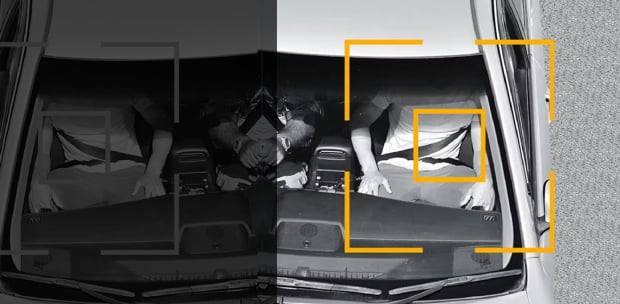
How AI seatbelt cameras work
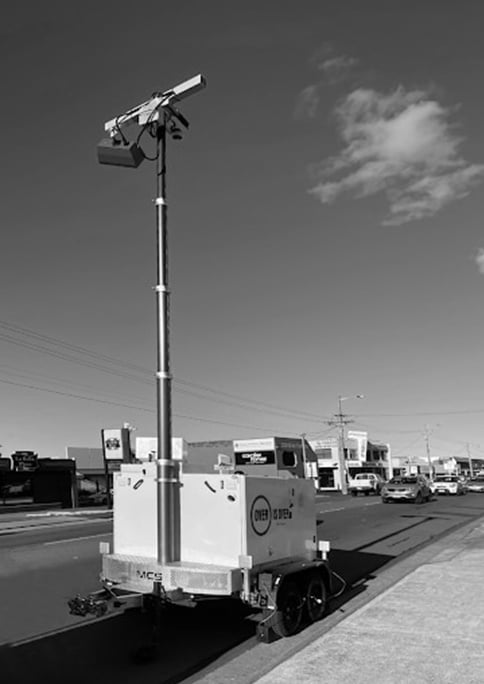
Seatbelt enforcement is no longer just done by police on the roadside. Roadside AI detection cameras are now widely used
1 Cameras are installed on roads and highways in many cases without warning signs
2 They automatically capture images of passing vehicles
3 AI technology analyses each image in real time
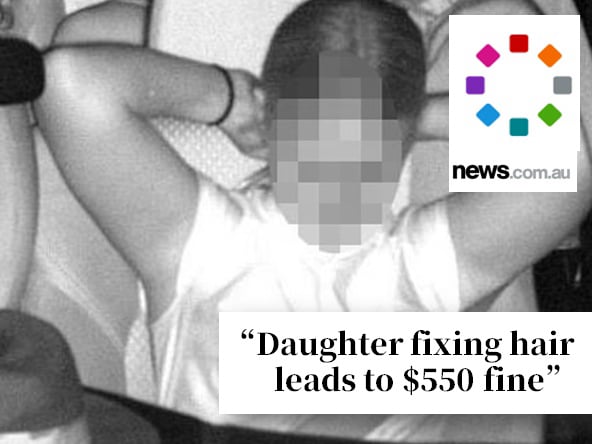
4 Fines are issued if photos of improperly worn seatbelts are taken
What AI systems are trained to detect
* Whether a seatbelt is being worn
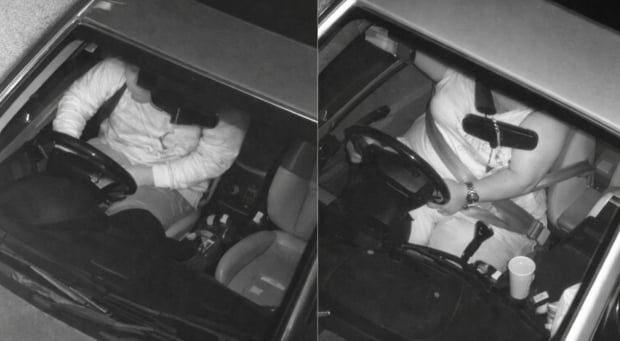
* Whether it is worn correctly over the shoulder
* It identifies passengers as well as drivers
* Systems are sensitive and it has been reported to enforce seatbelts that are twisted
1 Seatbelt fine revenue in NSW increased by 1,400% in one year — from $3.7 million to nearly $59 million after AI cameras were introduced
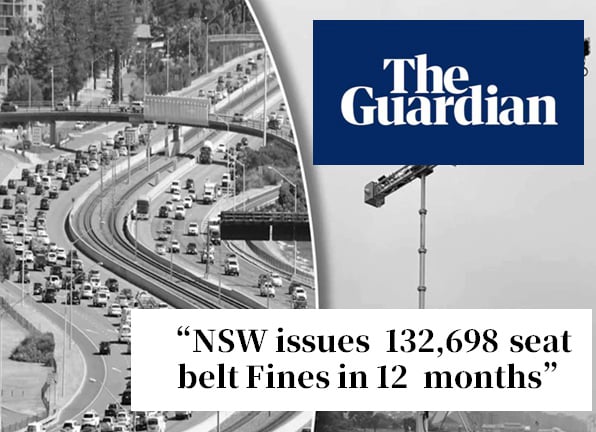
2 More than 132,000 fines were issued in NSW in just one year after camera rollout
3 Around 88% of seatbelt fines are for wearing it incorrectly, not for not wearing one
4 Over 140 million vehicles were checked by AI cameras in NSW alone.
5 About 87.6% of seatbelt fines are issued by cameras, not police
6 AI systems scan and analyse vehicles automatically — fines are issued later without driver interaction
7 Over 11,400 fines were issued in just 3 weeks when cameras were first introduced
8 About 1 in every 700 vehicles checked resulted in a fine in early stages of rolllout
9 Nearly 31,855 drivers were fined in one month, generating $13 million in penalties
10 Around 500 people per day are caught for seatbelt offences in Queensland which has the highest fine amount of over $1200.
A simple way to protect yourself
You cannot control how every passenger wears their seatbelt.
But you can make it clear. Most seatbelt offences are due to genuine mistakes and passengers are more likely to do the right thing if they know the consequences to you.
The problem is lack of awareness and clarity
Most passengers believe they are wearing a seatbelt correctly. They are not aware that wearing it under the arm or off the shoulder is as bad as not wearing one in Australia. in-car seatbelt alarms also cannot identify when passengers are not wearing seatbelts correctly.
Clear instruction reduces mistakes
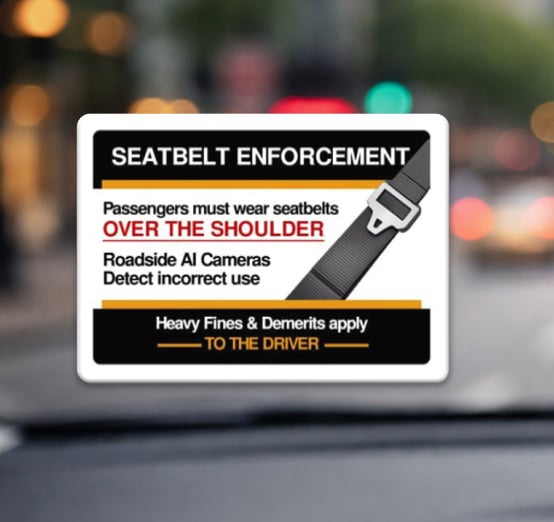
Current instruction stickers only point to putting on the seatbelt. "Buckle up" and "Click Clack front and back" is no longer enough. A visible, simple reminder helps: passengers understand the correct position, reduce unintentional mistakes and reinforce proper use every time they get in the car.
Driver Protection Pack
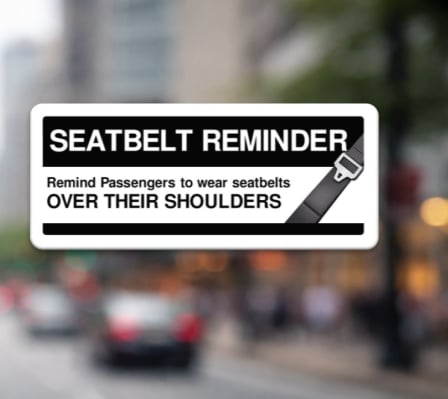
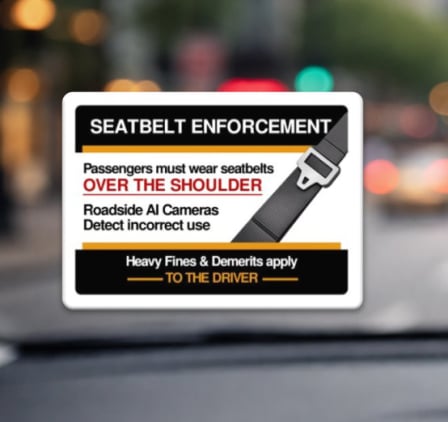
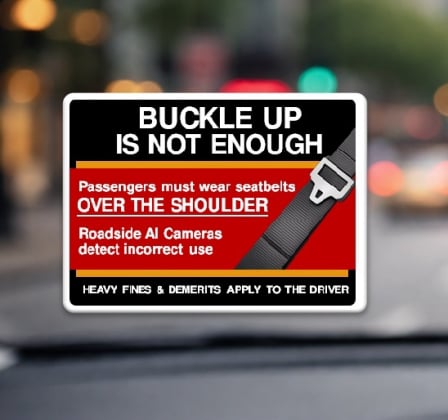
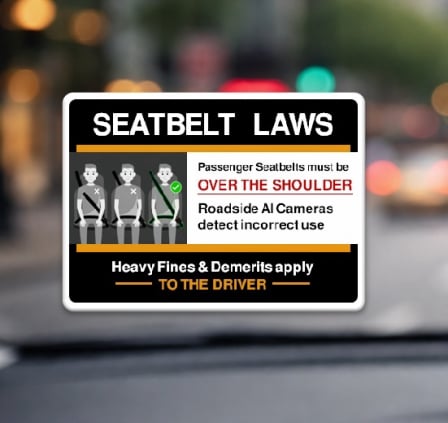
The Australian Driver Protection Pack is designed specifically for local road rules. There are passenger-facing sticker showing correct seatbelt position, a small driver reminder for added awareness presented in a clean, unobtrusive design for real in-car use.
If you have ever taken any passenger who were not aware of the rules, it's only a matter of time. But now the rules are strictly enforced. It's not worth the risk.
PROTECT YOURSELF NOW
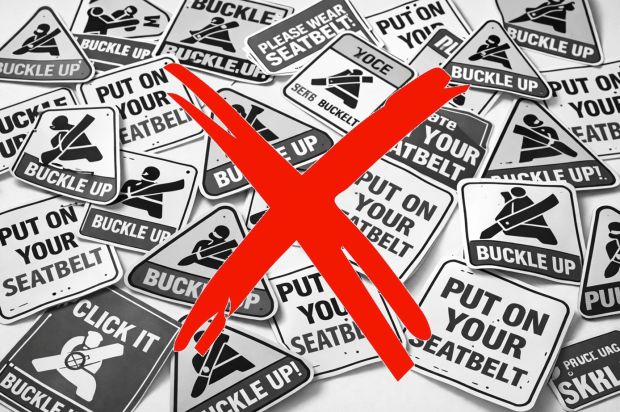
The problem Australian drivers have is not that passengers are not wearing seat belts, but that they are wearing seatbelts "incorrectly". Generic seatbelt reminders simply tell you to put them on and are not satisfactory for the requirements of Australian law. As a result, passengers may still wear it incorrectly — and drivers can still be fined and lose points. Without clear instruction, these products do little to reduce real risk.
PROTECT YOURSELF NOW